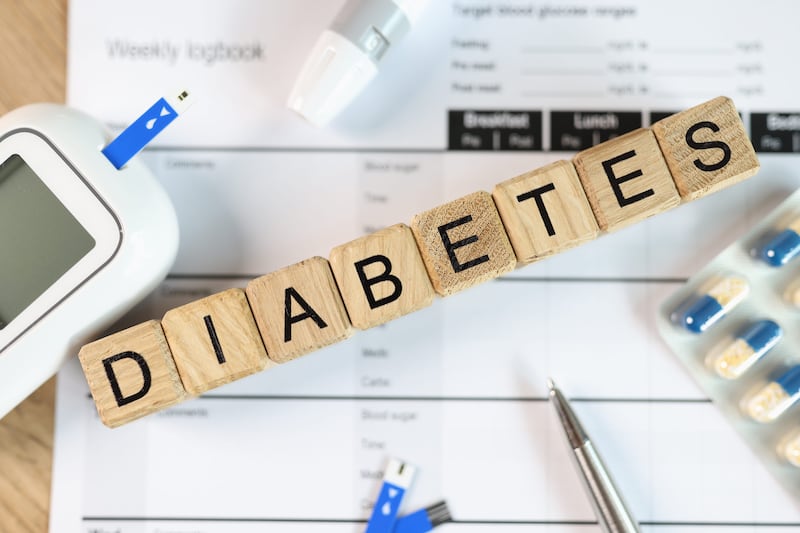
A recent Stats SA Mortality and Causes of Death report reveals that diabetes is among the top three causes of death due to non-communicable diseases, claiming dozens of lives daily.
The report shows that in 2024, diabetes accounted for 6.1% deaths. “In 2024, diabetes mellitus remained the top leading underlying cause of death, just as it was in the previous two years, responsible for 6.1% deaths in the country. It remained the leading underlying cause of death in the three-year period,” reads the report in part.
“...28,174 deaths had diabetes mellitus as the underlying cause and mentioned on the form as a contributing cause of death, while 593 deaths had diabetes mellitus as an underlying cause but was not mentioned as a contributing cause on the form…
“In eight of the 10 leading causes of death, 99% of the time where a contributing cause was mentioned, it [diabetes] was selected as the underlying cause of death.”
The report highlights that diabetes was the leading cause of death among the age group 45–64 years, responsible for 7.9% deaths.
Pharmacist Patrick Kodibona of Medipost Pharmacy says diabetes is “one of the most significant health challenges” in SA.
Saturday is World Diabetes Day.
“The way we look at type 2 diabetes has changed. Medical experts no longer regard it as a permanent, progressive disease if it’s detected early enough,” says Kodibona.
“With type 2 diabetes, the body becomes less responsive to insulin. The pancreas works harder to compensate, but over time it may struggle to produce enough insulin to keep blood glucose levels under control.
“Insulin is a vital hormone that acts like a key, helping glucose from the food we eat to move from the bloodstream into our cells, where it can be used for energy.
“When a person’s cells become less responsive to insulin, this is known as insulin resistance. As a result, sugar builds up in the blood, but over time the pancreas may no longer produce enough to keep blood glucose from reaching diabetic levels.”
What happen when your body doesn’t use glucose
Kodibona says when your body is not using glucose, you will feel exhausted, and this happens a lot with many people with undiagnosed or uncontrolled diabetes.
“Over time, persistently high blood glucose damages the blood vessels. This is why it’s so important to test for type 2 diabetes, understand what is going on in the body, and know how to manage the condition effectively,” he warns.

Kodibona says being diagnosed with type 2 diabetes can often come as a shock. However, managing the condition soon becomes second nature with a few adjustments and treatment.
He says diabetic patients should prioritise monitoring their blood glucose levels and keeping a record.
“Checking your blood sugar at home provides immediate feedback on how your meals, exercise, and medications are affecting your glucose levels. By tracking regularly, you can identify patterns that guide you on how to stay within your target range to prevent long-term health complications or sudden emergencies,” Kodibona says.
What your numbers should be
“Measure blood sugar exactly two hours after your first bite of a meal. The standard goal for after a meal is a reading under 10.0 mmol/L, while morning fasting levels should sit between 4.0 and 7.0 mmol/L. Glucometers, glucose test strips, lancets, and insulin pumps help monitor and control blood sugar levels,” says Kodibona.
He says while regular finger-prick tests will give you quick results, an HbA1c laboratory blood test is essential as it measures the average amount of sugar that has built up in your red blood cells over a three-month period.
“Keeping your HbA1c below 7.0% is the most reliable medical standard for avoiding long-term complications,” Kodibona says, adding that consistently taking prescribed medication is critical for diabetes management.
“Anyone diagnosed with diabetes [should] take extra care to gain control of the condition as early as possible because uncontrolled diabetes can lead to serious complications, including vision loss, kidney disease, strokes, heart attacks and nerve damage that can cause painless foot ulcers and, in severe cases, lead to amputations.”

What can you eat to manage diabetes
Diet, Kodibona emphasises, remains at the cornerstone of the disease’s management.
“Managing your blood sugar successfully does not require expensive specialty items. Excellent, budget-friendly South African whole foods that are diabetic-friendly include proteins such as dried brown lentils, split peas, whole eggs and canned pilchards or sardines, as well as vegetables including cabbage, carrots, and dark leafy greens such as spinach or morogo.
“Rolled oats, pearl barley and cooked, thoroughly cooled pap, are better starch options. Allowing pap to cool completely changes its structure, turning it into a resistant starch that your body digests more slowly, helping to reduce sudden sugar spikes,” he says.
Kodibona shares tips for newly diagnosed diabetics
Aim to lose between 5% and 10% of your starting weight early in your diagnosis, as this can significantly improve blood glucose control.
Fill half your plate with non-starchy vegetables, one-quarter with lean protein, and the remaining quarter with high-fibre starches.
Eat vegetables and protein before carbohydrates, which can help slow blood sugar absorption and avoid spikes.
Visit an ophthalmologist for an eye screening and a podiatrist for a foot assessment annually to catch any nerve or blood vessel changes early.
Take a brisk 15-minute walk after eating. It encourages your muscles to clear sugar directly from your blood, allowing your pancreas to rest.